Weekdays 8:00am-5:00pm Sat Closed Sun Closed
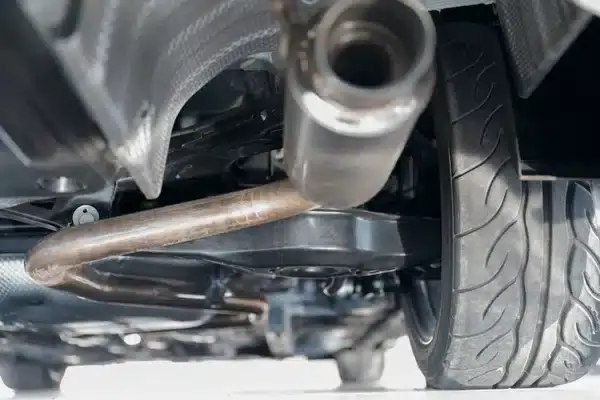
Land Rover air suspension problems can show up when you least expect them. Maybe one side of your SUV sits lower overnight. Or the dashboard shows a suspension warning while you’re driving.
These issues often start with a small air leak or a worn part. Catching them early can save you from a much larger repair bill. Here’s what to watch for and what the repairs might cost.
Instead of regular steel springs, many Land Rovers use air-filled springs. A compressor pumps air into them to raise or lower the vehicle.
Height sensors and valves control the air pressure. This helps keep the SUV level, even when it’s carrying extra weight.

Air springs can crack as they age. When air escapes, one side of the SUV may sink after parking.
Every time air escapes, the compressor has to pump more in. That extra work can eventually wear out the motor.
Each sensor tracks how high its corner sits. If one sends the wrong reading, the SUV may lean or sit at an odd height.
The valve block controls where air flows. When its seals fail, air may leak between parts of the system.
Old bushings can cause clunking sounds and poor handling. They don’t cause air leaks, but they still need attention.
Your Land Rover tells you when suspension problems develop. Watch for these warning signs:
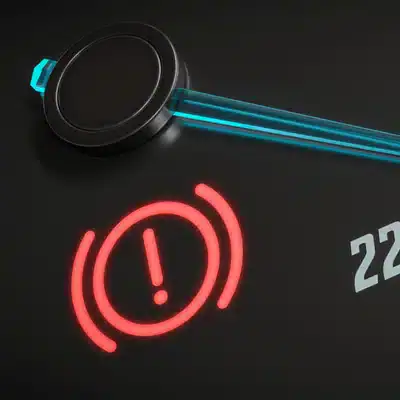
A “Suspension Fault” message means the system has found a problem. A scan helps identify what’s wrong.
Notice one corner sitting lower after a night in the driveway? A leaking air spring or valve could be responsible.
Does your Land Rover seem to take longer than usual to lift? It could be losing air, or the compressor may be wearing out.
Pay attention if bumps suddenly feel harder than they used to. Worn shocks or low air pressure may be to blame.
Hissing often points to escaping air. Knocking sounds may come from worn bushings or other suspension parts.
Understanding why Range Rover air suspension problems occur helps you prevent them:
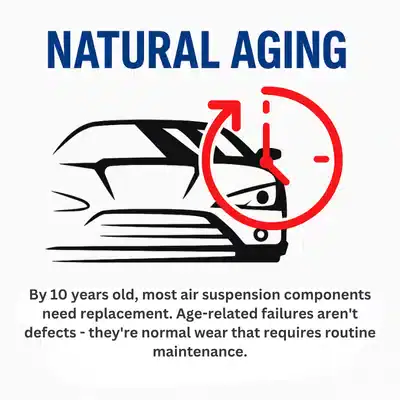
Rubber seals and air springs wear down over the years. Small cracks can turn into larger leaks.
Texas summers are tough on rubber parts. Add road dust and potholes, and there’s even more wear to deal with.
A heavily loaded SUV puts more weight on the suspension. Rough trails and hard impacts can wear things down faster, too.
A small leak rarely stays small. The longer it goes unchecked, the harder the compressor may need to work.
Have the suspension checked during routine service, especially if the SUV starts sitting unevenly.
Wash away built-up mud and dirt. Look for damage around air lines and visible suspension parts.
Cracked air springs and badly worn bushings should be replaced before they cause more trouble.
Some models may benefit from factory software updates. Your technician can check, but updates won’t repair leaks.
Choose parts made for your exact Land Rover model and year. Cheap parts aren’t always a bargain.
A soapy water test can help you find leaks around parts you can safely reach.
Safety tip: Never crawl under an unsupported vehicle. Air suspension can drop without warning.
There’s no single price for fixing Land Rover air suspension. RepairPal lists costs by model and part. The ranges below give you an idea of what major repairs may cost in the U.S., including labor.
| Repair | Estimated Cost |
| Air compressor replacement | 1,800–2,750 |
| Valve block replacement | 500–1,950 |
| Air spring replacement | 900–2,300 per corner |
| Complete air strut replacement | 1,200–3,500 per corner |
Your bill will depend on what the mechanic finds and which parts your SUV needs. Diagnostic tests and wheel alignment may add to the cost.
Tired of paying for air suspension repairs? Some older Land Rovers, including certain LR3 and LR4 models, can switch to coil springs.
Conversion kits cost around 1,000–1,800. With labor, expect roughly 1,600–3,500.
Coil springs remove the need for air springs and compressors. The trade-off is losing adjustable ride height and self-leveling. Some conversions also need electronic changes to prevent warning lights.
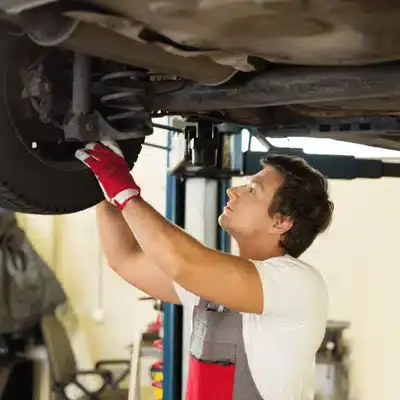
If your Land Rover keeps sagging or displaying warnings, have it checked before more parts fail.
Europe Services in Killeen, Texas, works on European vehicles, including Land Rovers. Its technicians can check for leaks and read fault codes to help find the cause.
A major repair can cost between $500 and $3,500, depending on the part. Replacing a valve block usually costs less than a complete air strut. Get the problem checked first so you know what needs replacing.
You can on some models, but not every Land Rover has a suitable kit. Parts and labor may run between $1,600 and $3,500. Before making the switch, consider whether you still need the factory ride-height controls.
Europe Services is located at 1211 E Central Texas Expressway, Killeen, TX 76541. The shop works on Land Rover and other European vehicles. Call (254) 781-7278 to ask about scheduling a visit.
Plan for roughly two to four hours for the replacement itself. If the old compressor failed because of a leak, the mechanic will need time to find that leak, too. Ask the shop how long your vehicle will need to stay.
Your SUV might sit level when parked, then drop at one corner overnight. Sometimes it struggles to rise, or a suspension warning appears on the dash. A mechanic can check the air pressure and work out whether the valve block is leaking.
OEM air springs are made to meet Land Rover’s factory requirements. Good aftermarket parts can also work well and may cost less. Compare the warranty, fit, and build quality before choosing.
Don’t ignore a Land Rover that sits low or takes too long to rise. A small leak can leave you facing a costly compressor repair later. Book a suspension inspection with Europe Services in Killeen, TX to request a quote.